


Biomass is an organic renewable energy source that includes materials such as agriculture and forest residues, energy crops, and algae. Scientists and engineers at the Energy Department and National Laboratories are finding new, more efficient ways to convert biomass into biofuels that can take the place of conventional fuels like gasoline, diesel, and jet fuel.
Bioenergy Technologies Office
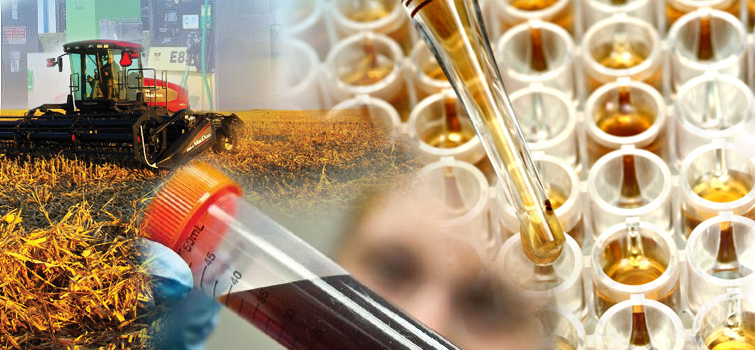
The Alternative Fuels and Feedstocks Office (AFFO), formerly known as the Bioenergy Technologies Office works to enables research, development and demonstration (RD&D) to accelerate technology commercialization for the production, storage, delivery and use of alternative fuels, fertilizers, chemicals, and feedstocks. develop industrially relevant technologies to enable domestically produced biofuels and bioproducts...
Feedstock Technologies
The Feedstock Technologies program works to ensure a reliable, affordable, and sustainable supply of terrestrial biomass feedstock sources.
Learn about all the ways scientists and engineers at the Department of Energy are working to convert biomass into biofuels that can take the place of conventional fuels like gasoline, diesel, and jet fuel.
U.S. Department of Energy
Learn More
-
We are very excited to announce our first ever bioenergy quiz—an online, interactive tool that’s both enlightening and entertaining! Interested in participating? Just click the link in the photo above and let the game begin.
-
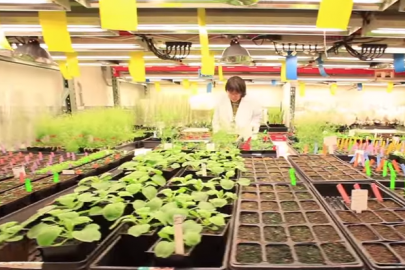 The science and industry of biofuels is changing rapidly. See what’s new with the fuels of the future.
 -
Tiny algae can play a big role in tackling America's energy challenges.
-
What if plastic came from renewable resources? Mango Materials has developed a new way of producing plastics that make it biodegradable and petroleum-free. The project is being supported with help from the national laboratories through the Energy Depar...
-
One of the National Labs is building a high-tech library of biomass samples and information for bioenergy researchers.